
Tactile Studs
Our...
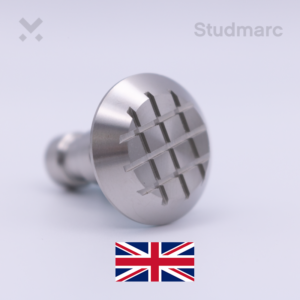
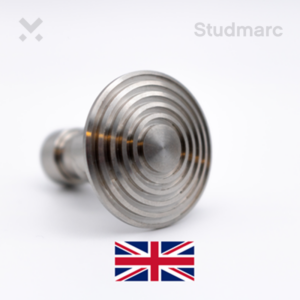
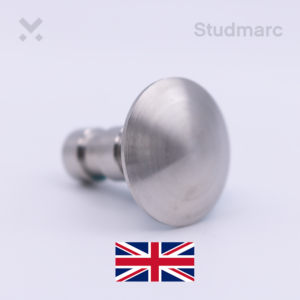
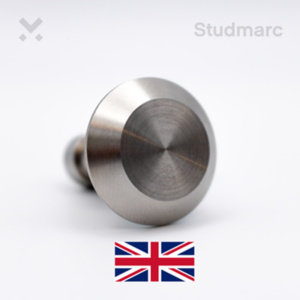
Tactile studs are individual raised indicators used to create tactile warning surfaces for blind and visually impaired pedestrians. Installed in repeated patterns, they create a recognisable change that can be detected underfoot or with a cane, helping to identify crossings, platform edges and other changes within the pedestrian environment.
Our tactile stud range includes products manufactured from 316L stainless steel, brass, bronze, aluminium and TPU, with plain, textured and anti-slip surfaces available. Different fixing options allow tactile studs to be incorporated into both new and existing surfaces, including stone, concrete, tiles and other architectural finishes. You can find more information on the available options in our guide to what tactile studs and strips are made from.
The correct tactile stud depends on more than its material or appearance. The required tactile pattern, dimensions, location, visual contrast, substrate and fixing method should all be considered when specifying a system. Our guide to choosing the right tactile stud or strip explains these considerations in more detail.
Tactile studs are most commonly used to create blister and offset blister arrangements, while tactile strips are generally used for corduroy warning surfaces and directional guidance paths. For more information on how these arrangements differ, see our guide to tactile paving patterns.
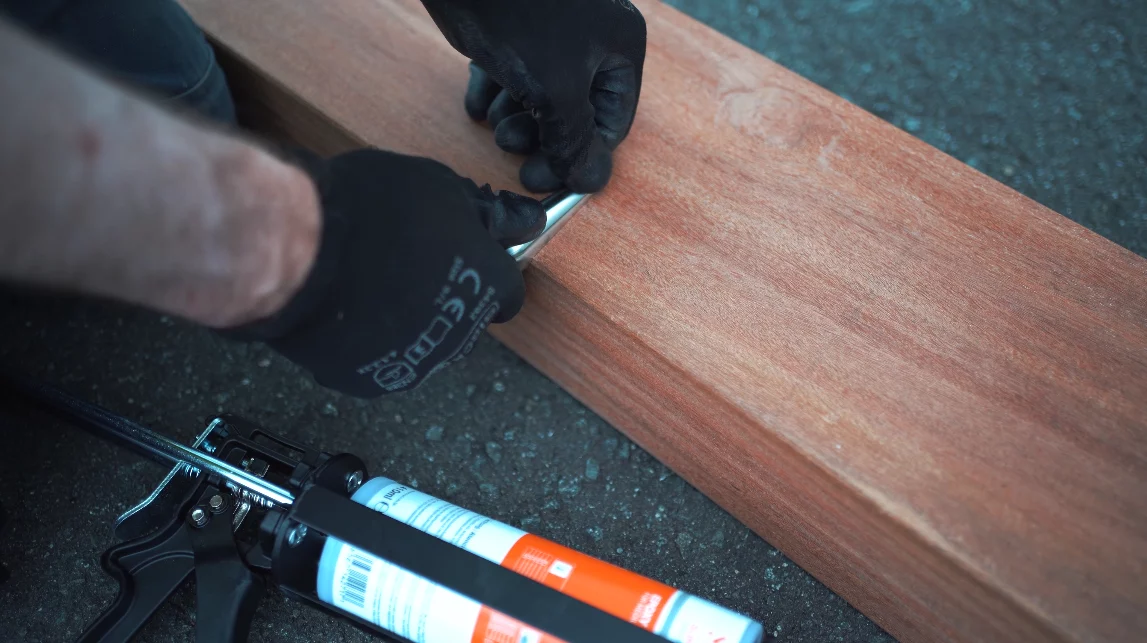
Once the appropriate product and layout have been established, the fixing method should be selected around the installation surface and project requirements. Our tactile stud and strip installation guide covers the main considerations for a typical drill-and-resin installation.
Showing 1–12 of 44 results
Showing 1–12 of 44 results
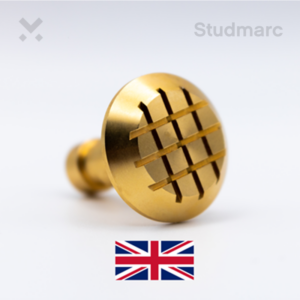
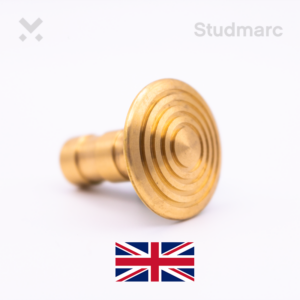
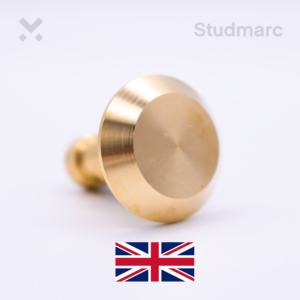
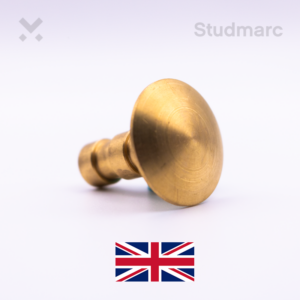
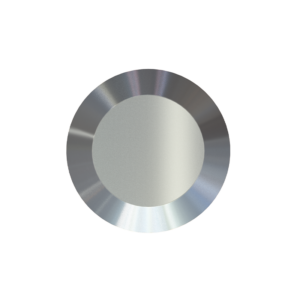



Bronze Tactile Studs
Bronze tactile studs combine durability with a warmer, more traditional appearance. They are particularly suited to architectural, heritage and high-quality public realm projects where the tactile installation needs to complement surrounding stonework and finishes.
Aluminium Tactile Studs
Lightweight and durable, aluminium tactile studs provide a practical option for both internal and external installations. Different finishes, surface profiles and fixing methods are available to suit a range of project requirements.
Brass Tactile Studs
Brass tactile studs offer a distinctive architectural finish alongside good durability and resistance to pedestrian traffic. They can be used indoors or outdoors and are available with different surface textures and fixing options.
316L Stainless Steel Tactile Studs
316L stainless steel provides excellent durability and corrosion resistance for heavily trafficked internal and external areas. Plain, textured and anti-slip surface profiles are available to suit different architectural and project requirements.
Stainless Steel Tactile Studs with Inserts
Stainless steel tactile studs with contrasting inserts combine the durability of stainless steel with additional visual contrast and surface grip. A range of insert colours allows the tactile surface to be coordinated with, or deliberately contrasted against, the surrounding material.
TPU Tactile Studs
TPU tactile studs provide a lightweight alternative to metal indicators and are available in a variety of colours. This makes them particularly useful where strong visual contrast or coordination with an existing floor finish is required.
Tactile studs that complement your design
If your project requires a different material, finish, dimension or fixing method, our bespoke design and manufacturing service provides greater flexibility. We can develop tactile studs around more demanding technical or architectural requirements while helping the finished installation work with the surrounding design.
Knowledge Base
Need help? Find out more about our tactile studs below: