Description
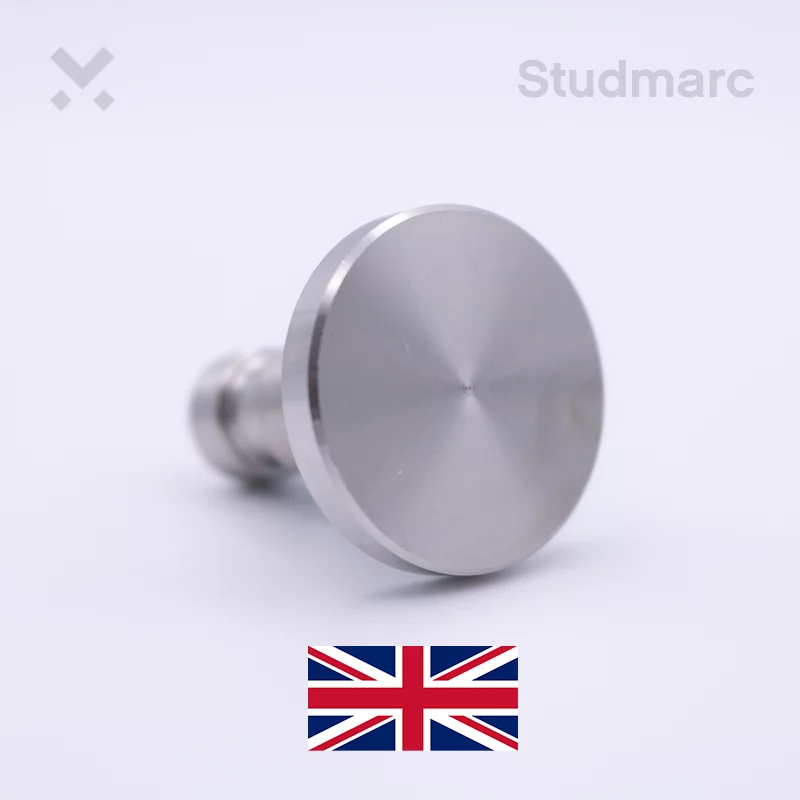
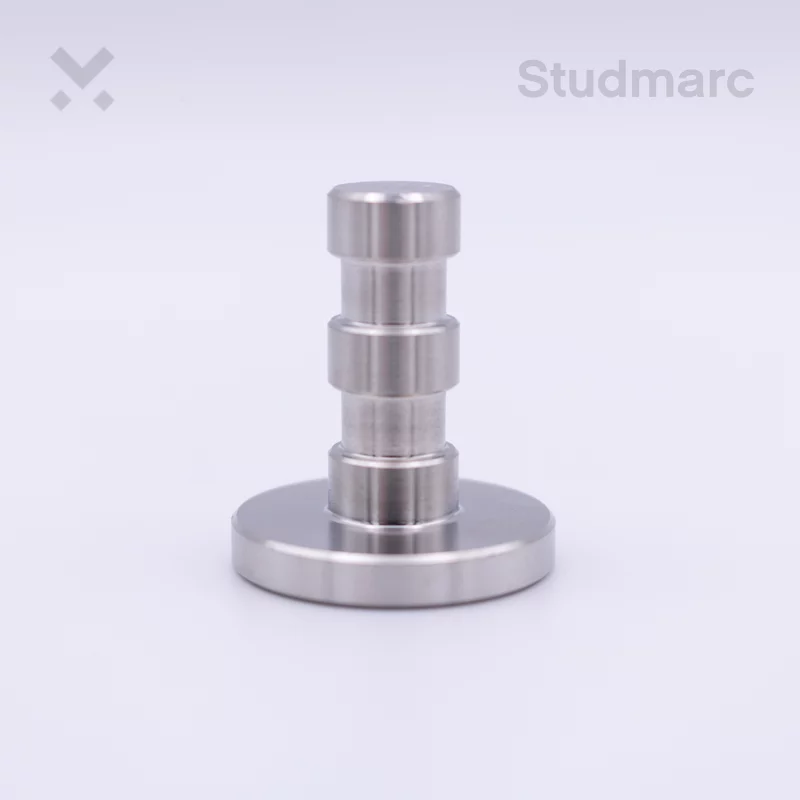
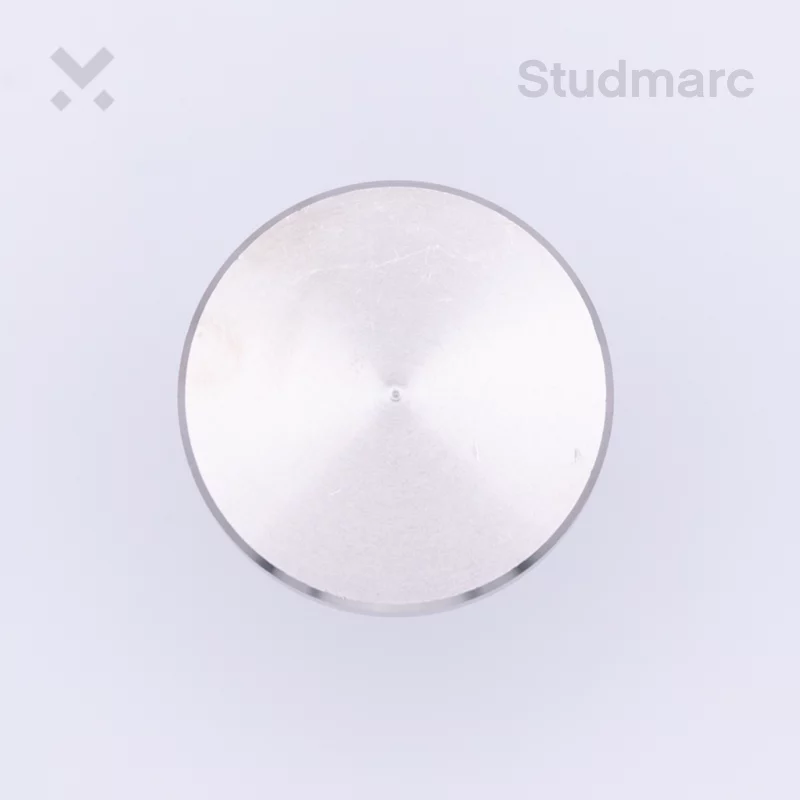
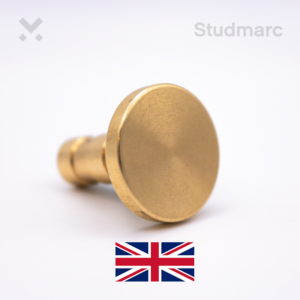
The flush fit visibility stud is manufactured from 316L stainless steel and features a smooth flat surface atop a round head. At 25mm in diameter and 4mm in height, this stud is an ideal inset stair-nosing alternative or area demarcation tool.
The flat surface can be engraved with logos, symbols or other markings to convey information to pedestrians. When installed with suitable visual contrast, the stud can also help partially sighted pedestrians identify an area or change in level. However, it is not intended to recreate prescribed tactile paving patterns, such as blister paving at crossings or corduroy warning surfaces near steps. Read more about what makes tactile studs and strips compliant.
Material Information
This stud is made from premium-quality 316L stainless steel to ensure durable performance in the toughest of conditions. 316L stainless steel has far superior weathering resistance when compared to other stainless steel variants, particularly when subjected to harsh rain, snow, or sleet.
You can compare stainless steel with the other available options in our guide to tactile stud and strip materials.
Design
The flush fit visibility stud features a smooth surface and sheer edges. The sheer edges allow for the stud to be installed inset into a surface or proud to provide tactile feedback for pedestrians. It can also be customised to include logos or signage due to its flat face. The machine-polished finish creates a reflective effect helping illuminate changes in elevation when installed on stairs in place of nosing, or in locations where the attention of the pedestrian needs to be captured.
Application
These studs are ideal for use as:
- Stair-nosing alternatives
- Area demarcation aids
- Contrasting guidance for the blind and visually impaired
Installation
These studs are installed by:
- Drilling into the desired surface
- Clearing the hole of dust and debris
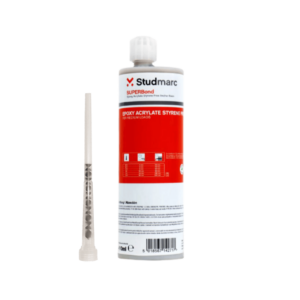
- Applying epoxy resin as a fixing agent
- Inserting the stud into the hole
Please note: It can take around 24 hours for the epoxy resin to be completely set.
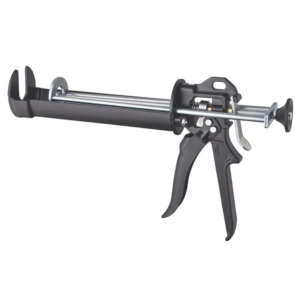
Installation equipment required: Drill, drill bit, push pump, epoxy resin, and applicator gun.
For preparation, setting out and fixing guidance, see how to install tactile studs and strips.