
Tactile Strips
...
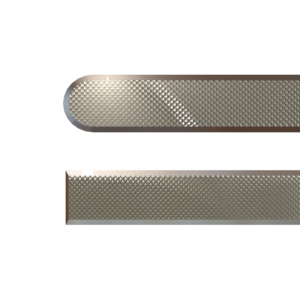
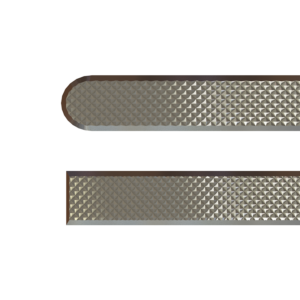
Tactile strips are raised linear indicators used to create warning and directional guidance surfaces for blind and visually impaired pedestrians. Installed in recognised patterns, they create a change that can be detected underfoot or with a cane, helping to warn of hazards or provide a route through areas where other navigational cues may be limited.
Our tactile strip range includes corduroy warning and directional guidance products manufactured from materials including stainless steel, aluminium and brass. Different surface textures, finishes and fixing methods are available for use across internal and external environments. Our guide to what tactile studs and strips are made from explains the main material options and where they may be appropriate.
The dimensions, orientation and spacing of tactile strips determine the message communicated by the finished surface. Corduroy strips are normally installed across the direction of travel to warn of hazards such as steps, while directional guidance strips run along the intended route. Our guide to tactile paving patterns explains the different arrangements and their intended purposes in more detail.
Where a blister or offset blister surface is required instead, tactile studs will generally be the appropriate starting point. If you are unsure which product, material or fixing method is suitable, see our guide to choosing the right tactile stud or strip.
For a broader overview of both product types, their applications and the factors that affect specification, see Tactile studs and strips – A complete guide.
Showing 37–39 of 39 results
Showing 37–39 of 39 results
Designed for tactile guidance
Available for corduroy warning and directional guidance layouts, with different dimensions and profiles to suit the requirements of the finished tactile surface.
Choice of materials and finishes
Choose from stainless steel, aluminium, brass and other material options, with different textures and finishes available to complement the surrounding architecture.
Multiple fixing options
Different fixing methods allow tactile strips to be specified around the substrate, installation requirements and whether the system is being incorporated into a new or existing surface.
Suitable for interior and exterior projects
Options are available for both internal and external applications, allowing the material, finish and fixing method to be selected around the conditions of the project.
Strips that complement your design
If your project requires a different material, finish, dimension or fixing method, our bespoke design and manufacturing service provides greater flexibility. We can develop tactile strips around more demanding technical or architectural requirements while helping the finished installation work with the surrounding design.
Knowledge Base
Need help? Find out more about our tactile strips below: