
Blog Home
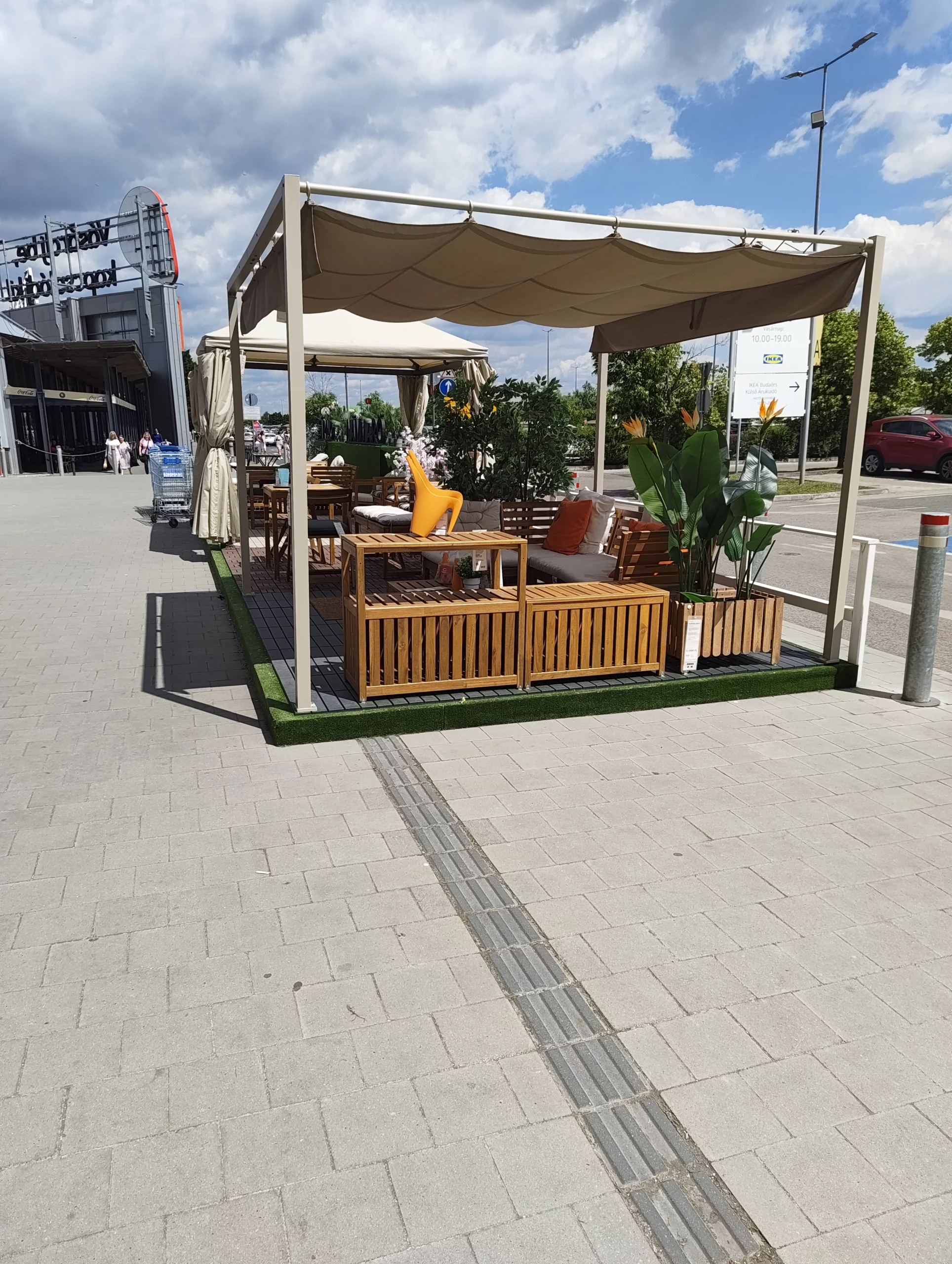
Why Boundaries Matter in Tactile Guidance Paving
Tactile guidance paths can be a vital element for navigation for members of the visually impaired community. They help provide information about an obstacle free route that the individual can follow to a set destination or to a commonly trafficked point.
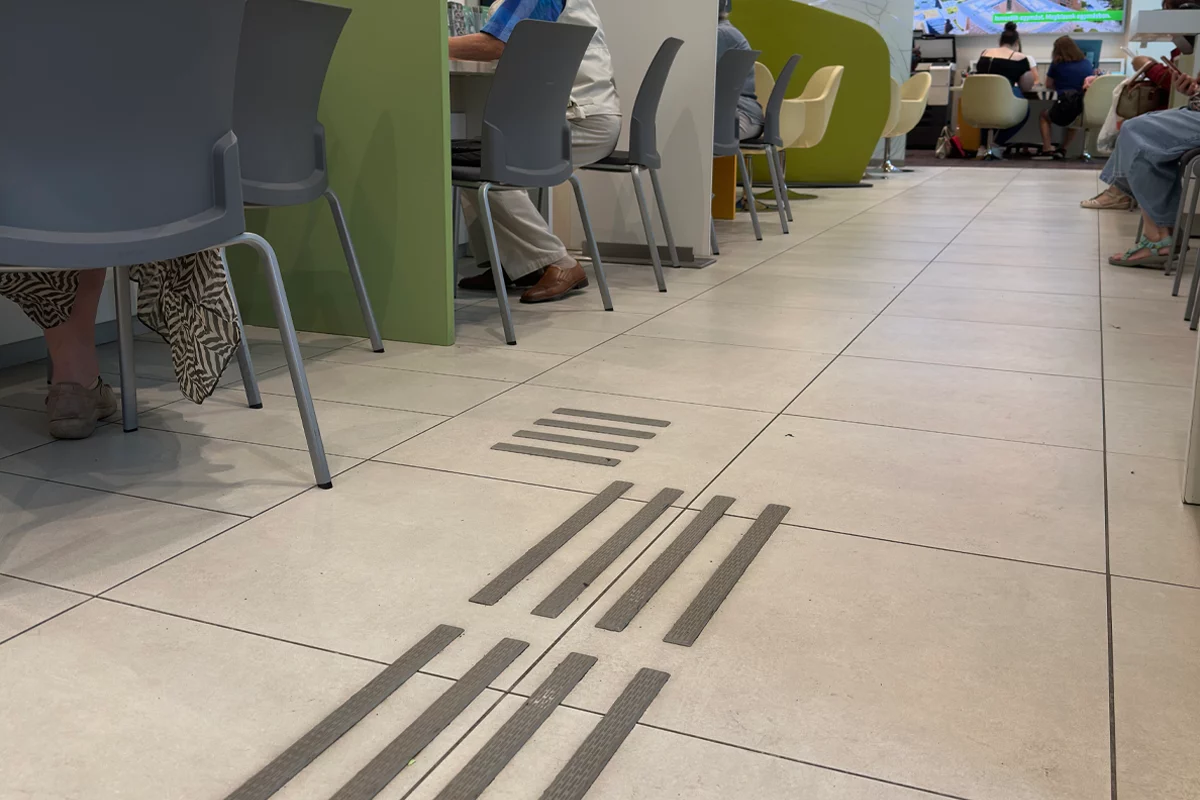
Unseen Impacts of Misapplied Tactile Paving
Tactile paving is widely used throughout public spaces around the world with it forming a vital part of how the visually impaired navigate their daily lives.
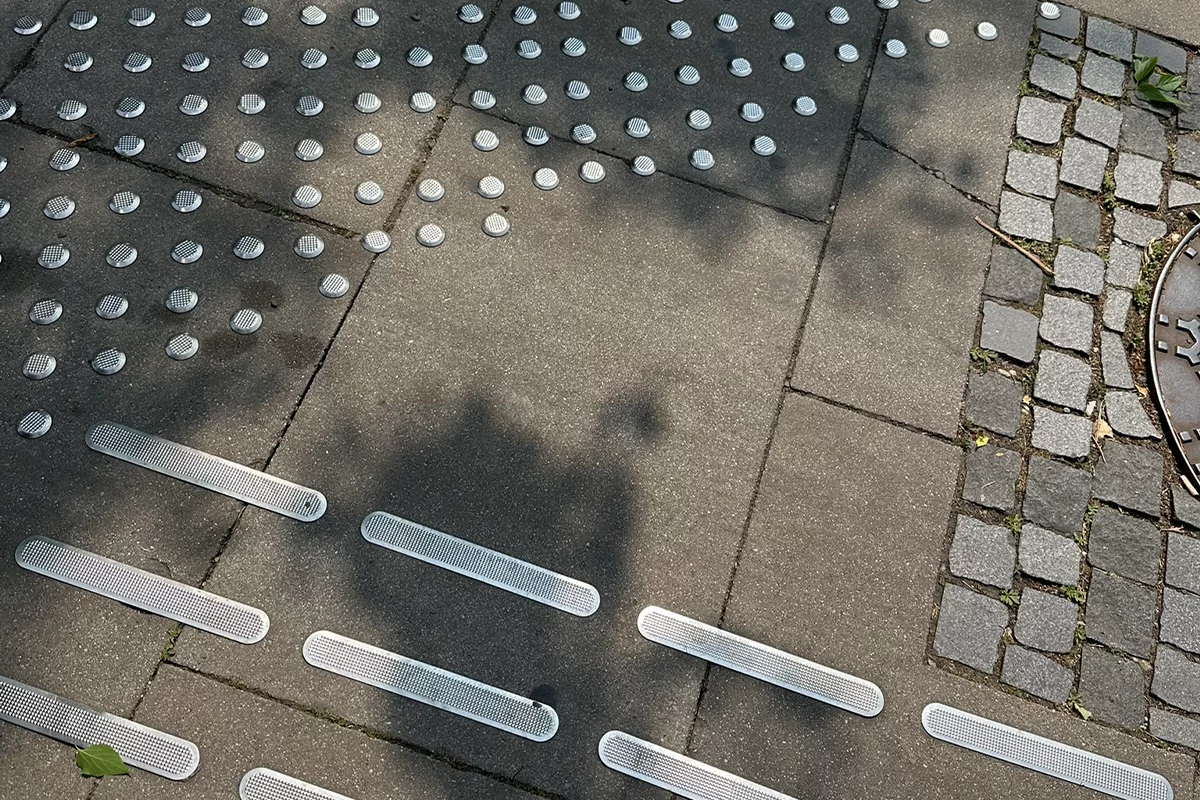
The Dangers of Low-Quality Tactile Indicators
With increasing economic pressures on projects in both the public and private realms, it’s natural that there are aims to reduce costs.
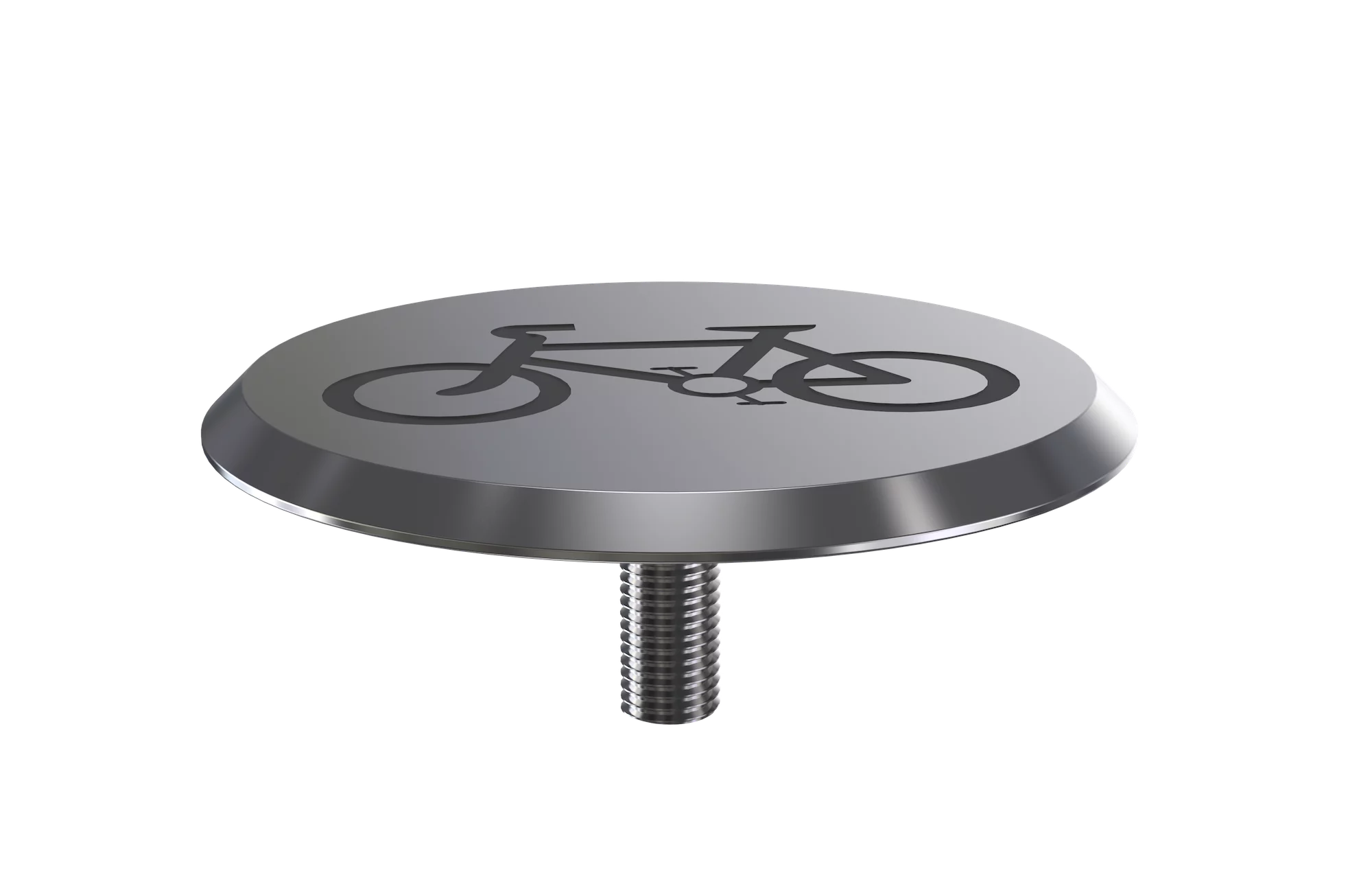
Why architectural studs are making a big impact on social distancing
They might be small in size but architectural and tactile studs are making a big impact when it comes to ensuring social distancing and demarcation in UK towns and cities.
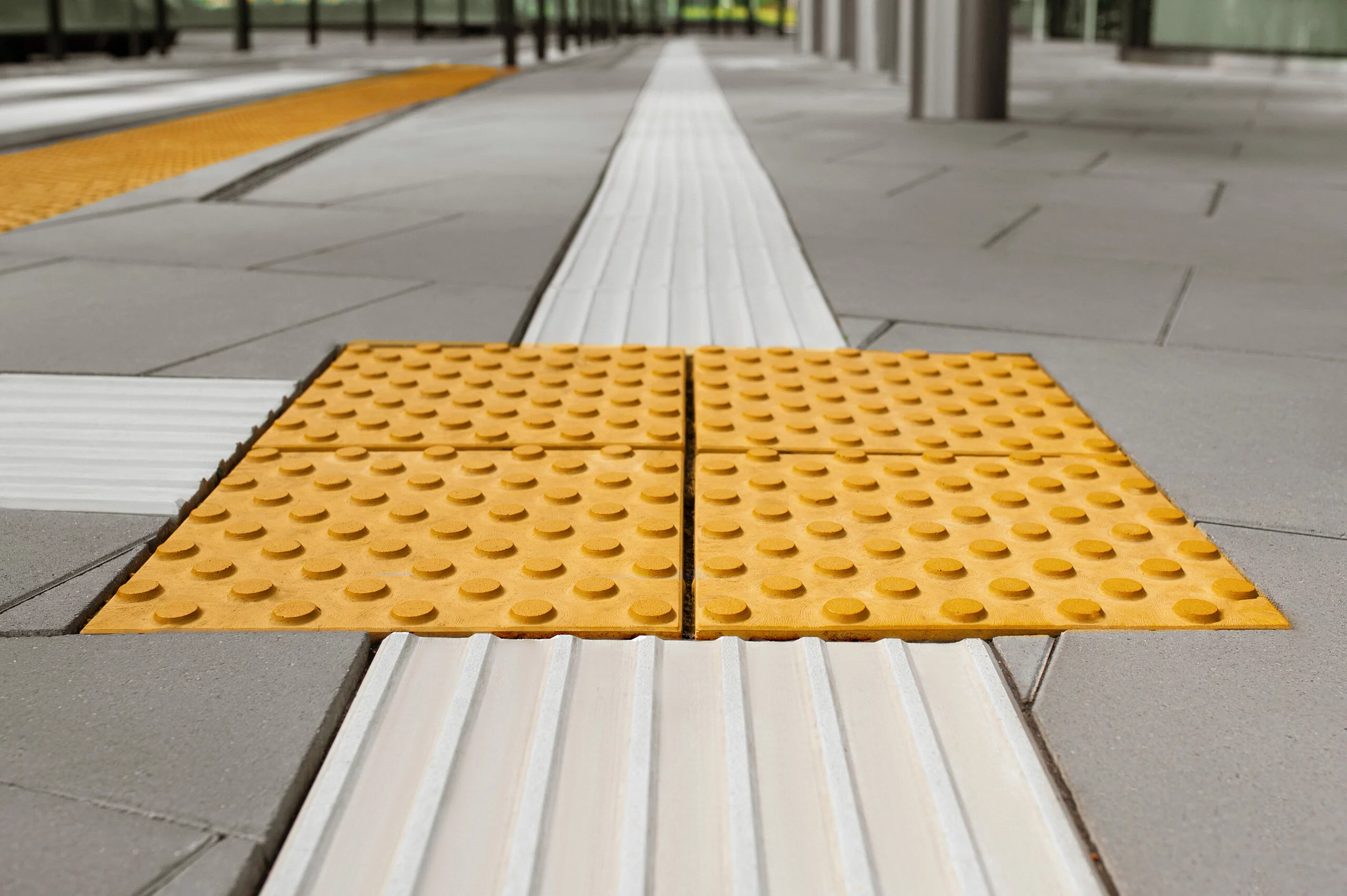
Exploring the Different Types of Tactile Paving
Tactile paving, or tactile surface indicators, is an innovation that has transformed the lives of visually impaired individuals, enabling them to navigate public spaces with comfort and safety.
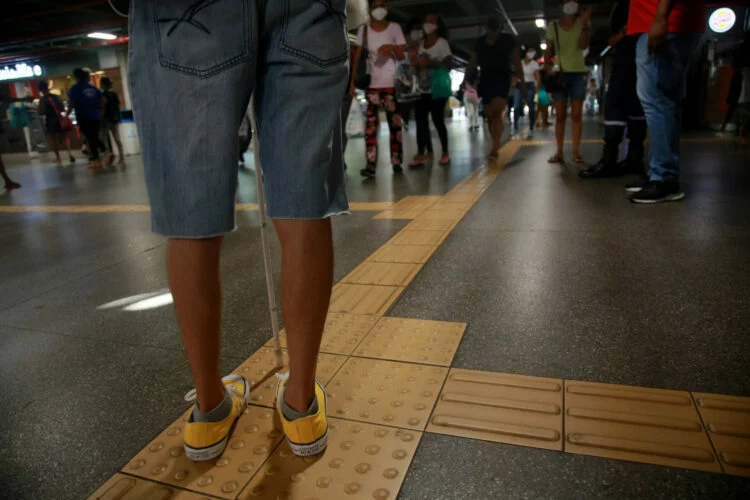
Integrating Tactile Surfaces into Accessible Architecture
Fostering an environment that caters to the needs of all individuals, irrespective of their capabilities, supports an inclusive society.
By adopting a proactive and solution-driven mindset, we can effectively incorporate accessibility into our built environment.
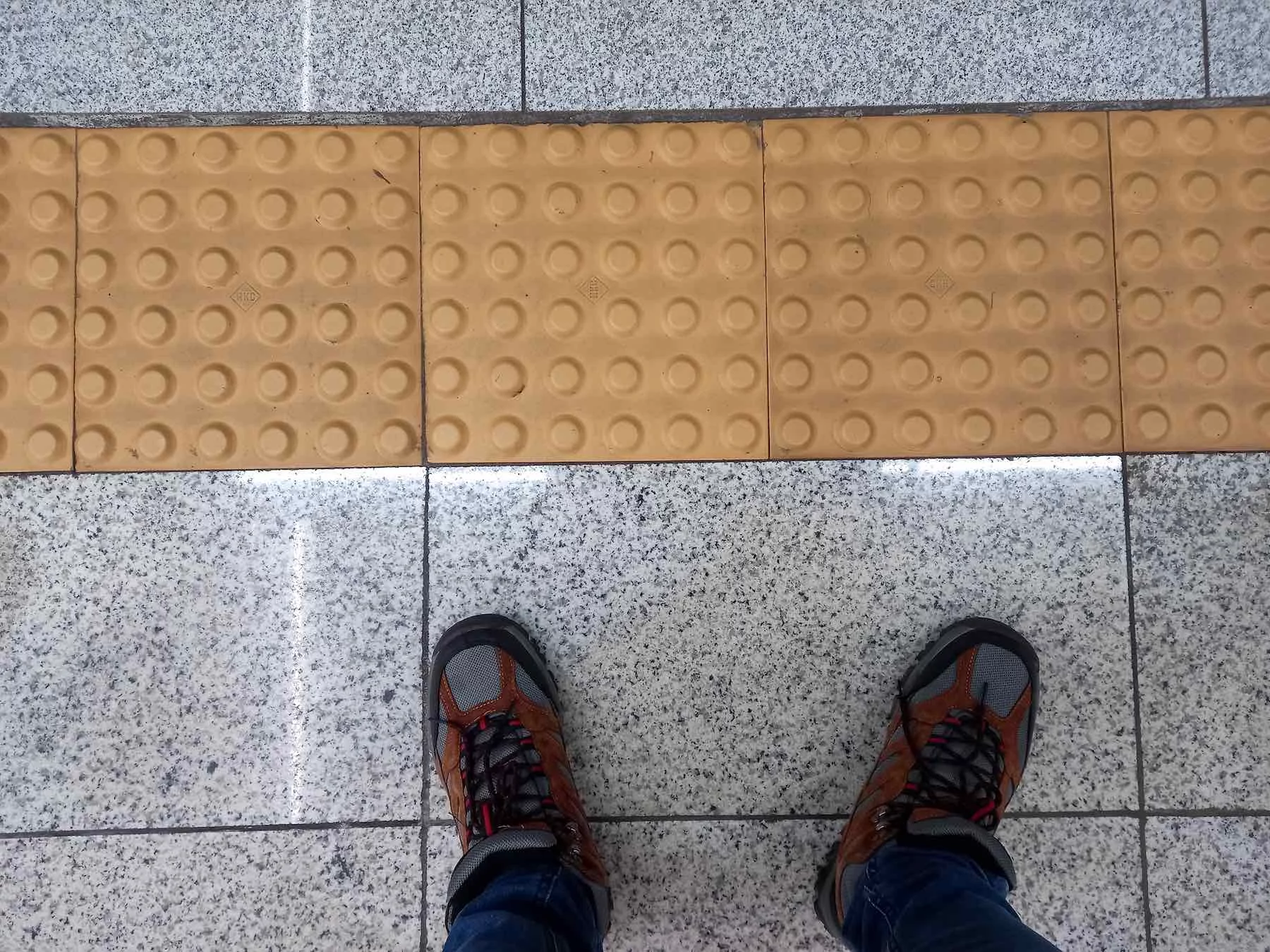
Using Tactile Paving and Studs to Encourage Inclusive Mobility
Over 2 million people are living with sight loss in the UK, with 340,000 registered blind or partially sighted. That’s why thinking about inclusive mobility is so important when it comes to the development of new public spaces, buildings, and transport networks.
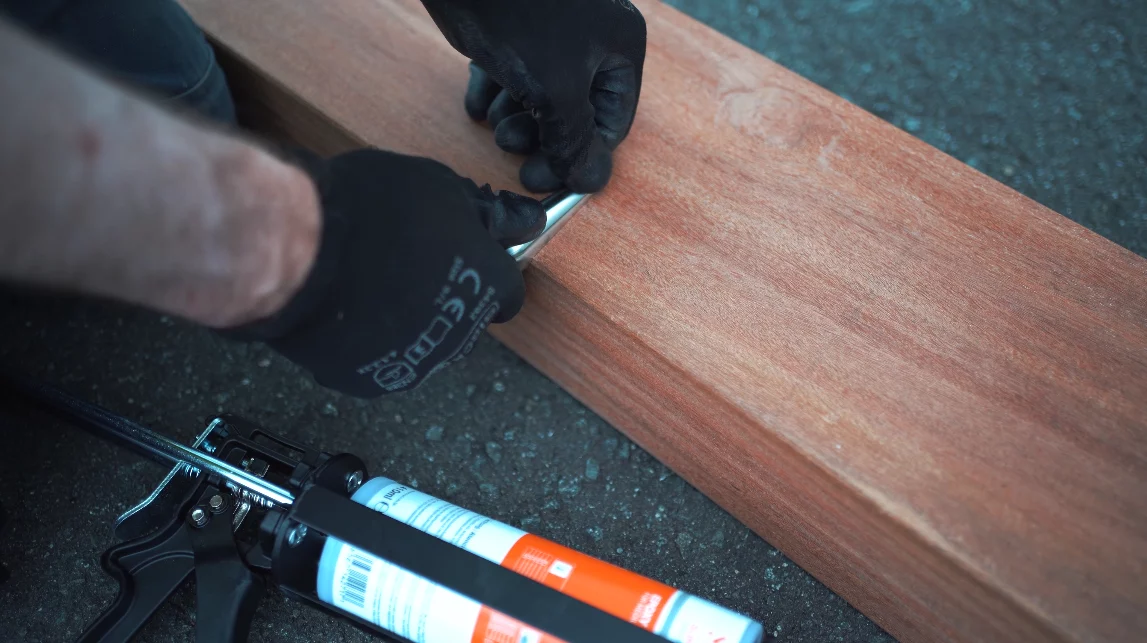
Stairway to Safety: The Benefits of Installing Stair Nose Strips
Stair nose strips are a useful addition to any staircase, as they provide much-needed safety and accessibility benefits. They prevent accidents and also protect your staircase.
The Use of Anti-Skate Architecture in Urban Design
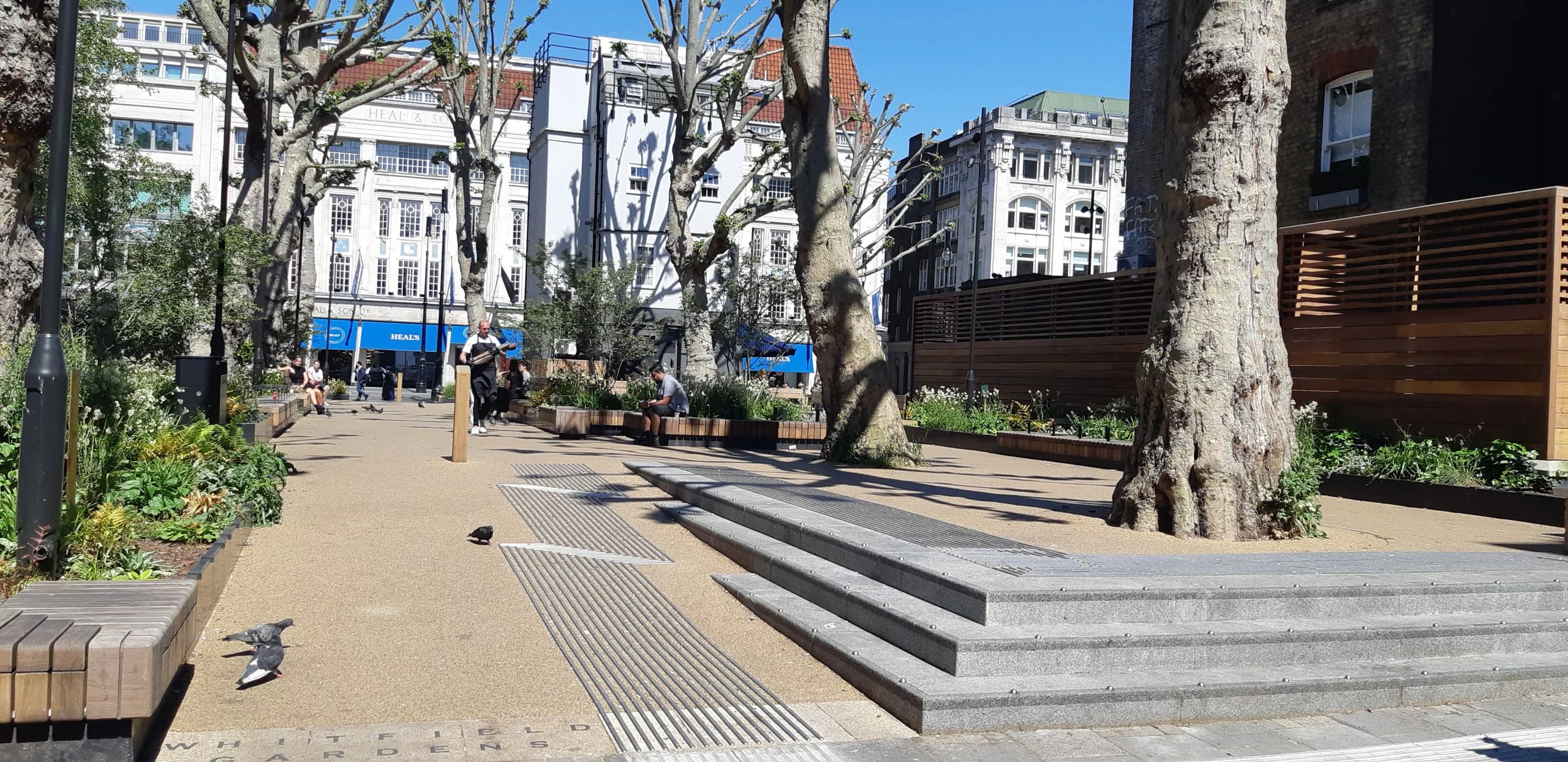
Throughout most towns and cities across the UK, you’ll find anti-skate architecture and other deterrents such as demarcation studs, skate stoppers or cleverly designed obstacles.

The Role of Hostile Architecture
Hostile architecture is everywhere in the majority of towns and cities across the UK. Nonetheless, the issue remains contentious, and those who disparage its use tend to distance themselves or refuse to contend with the consequences of the behaviour hostile architecture aims to deter.

The Importance of Architectural Studs in Urban Landscapes
Like a cog in a machine, architectural studs might be small, but they play a crucial part in today’s urban landscape – even more so with the need for Covid-19 social distancing.